
Three generations. One instinct.
In November 1938, Bernard Halpern left a village in Poland at sixteen. He spoke no English. His parents and his brother stayed behind, and the following year the Nazis came. He never saw them again.
He came to Atlanta, where an older brother had settled years before, and went to work in that brother's grocery store for five dollars a week plus room and board. He learned English at night school, and by reading the labels on the cans.
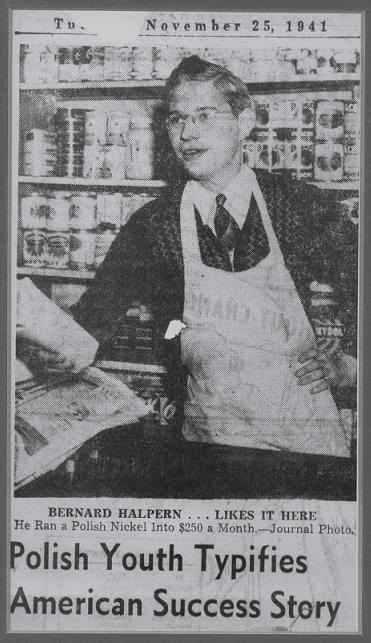
In 1941, at nineteen, he bought a failing grocery store with ninety six dollars of his own and a thousand dollar note that four friends signed for. He paid it back early. That year the Atlanta Journal wrote about him. It was the only time a newspaper ever quoted him in his own words. "It's the best country in the world," he said. "Many people here do not realize it, but they should."
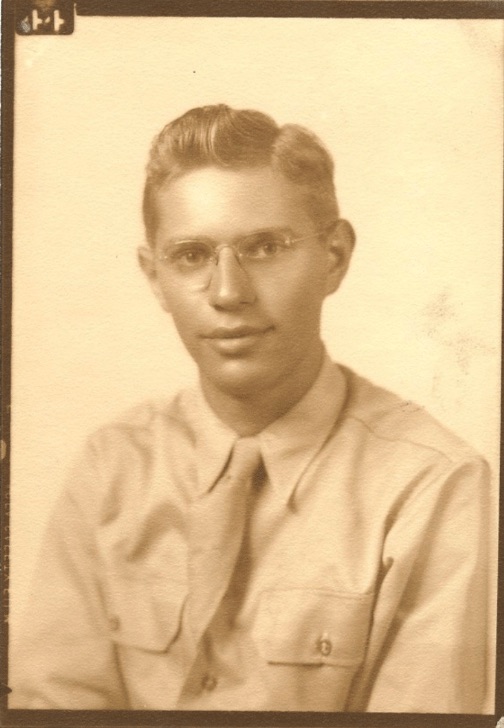
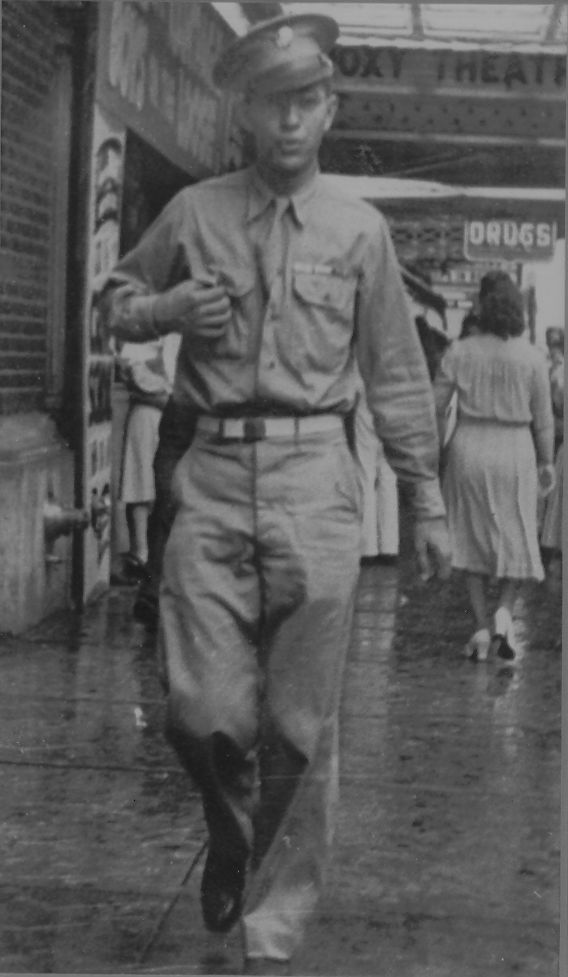
He served in the Army as an infantry rifleman in North Africa and Italy and earned the Bronze Star. Then he came home and went back to work.
He bought a house, renovated it, and sold it, and made more on that one deal than in six months of selling groceries. He never went back. He built apartments, then shopping centers, and he ran all of it on a handful of rules. Reinvest in the property. Treat tenants like partners, because they are not in business just to pay you rent. Never borrow more than you can pay back. When a buyer defaulted on a property he had sold, he stepped back in and kept paying the mortgages, though he had no legal obligation to, so the banks that had trusted him would not lose a dime. No lender ever lost a nickel on a loan made to him.
His credo was printed in three different publications in his lifetime: "Do right by your fellow man." Today there is a park in Doraville with his name on it.
His sons grew what he started. My father later built his own portfolio, then spent the second half of his life teaching. He never stopped being an owner. He took up flooring in his own buildings in a dress shirt. Every time we passed a house under construction, he took me inside and showed me what went where. Decades later he opened a wall on purpose to show his granddaughters what was behind it.
I came to the family's buildings the long way: attics, demolition, apartment renovations, job sites, estimating, and leasing. I climbed a lot of ladders to put together a picture of this business. This school is that picture, in order.
Nobody in three generations of this family used real estate to stop working. We used it to choose our work. That is what this school is for.
Akiva Halpern
Watch the whole story.
What real estate is, how it makes money, and how the whole business fits together, taught through the real story of one Atlanta family across three generations. No experience needed.
Watch free